
Selected engineering work
Systems built to be read, tested, and trusted
Machine learning pipelines, model optimization, and backend infrastructure, each documented with its constraints, architectural choices, and measured outcomes.

Projects
Problem, constraints, architecture, outcome
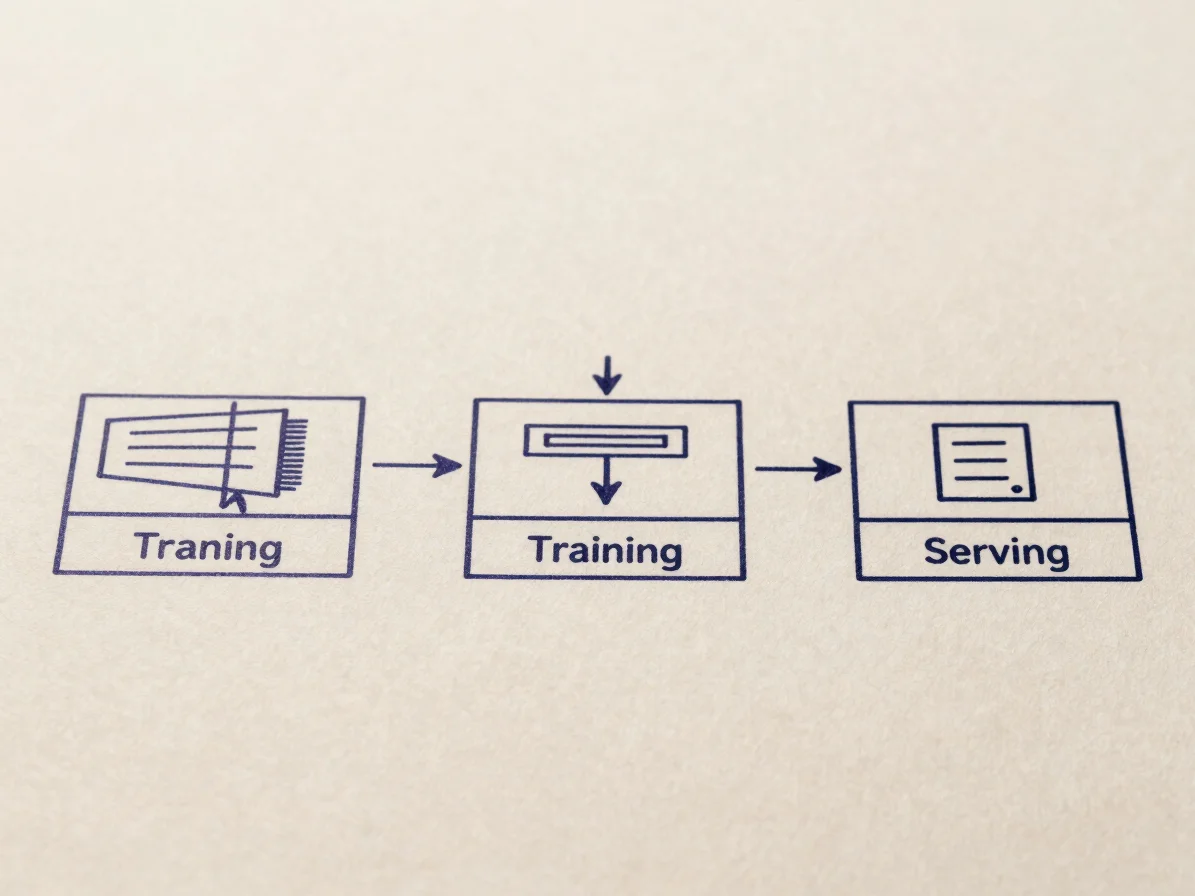
ML pipeline
Training and serving pipeline
A problem definition, the data and latency constraints it had to satisfy, and the separation between training and serving that shaped each component. The diagram marks system boundaries and the points where measurements were taken.
Model optimization
Inference optimization study
Trade-offs between accuracy, model size, and throughput, with the benchmark setup described plainly. The write-up separates what was measured from what was assumed, so the reasoning can be checked.

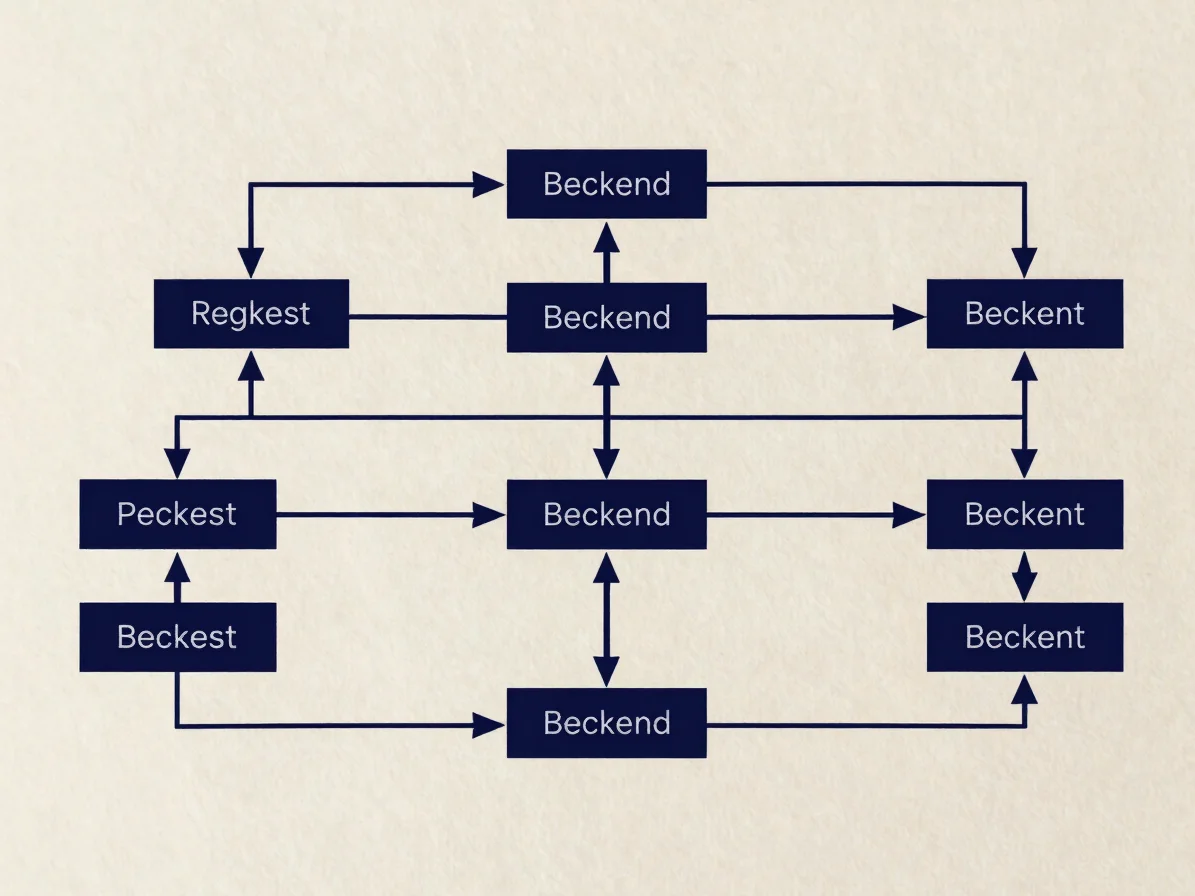
Backend infrastructure
Scalable backend service design
Service boundaries, the queueing and caching choices behind them, and the failure modes each choice was meant to contain. Diagrams show request flow and where state lives.
Engineering principles
How the projects were evaluated
Each project starts from a stated problem and a set of reliability targets. Latency, error budgets, and data freshness are written down before any model is chosen, so later decisions can be judged against them. Evaluation follows the same discipline. Offline metrics are reported next to the conditions under which they were measured, and any gap between offline and production behavior is named rather than hidden.
Code is written to be reviewed. Interfaces are kept small, assumptions are documented near the code that depends on them, and the reasoning behind a design is recorded so a peer can follow it without reconstructing it from memory. The aim is a result that another engineer can reproduce and question.